

Unravelling the Circular Economy
Why the construction industry needs “nutrition labels” for building products
The circular economy is often represented as a simple loop: make, use, recover and use again. But in reality, keeping building materials in the loop is anything but simple.
And maybe that’s the point. A circular economy that actually works needs to recognise the complexity of materials, products, supply chains and the many different pathways they can take at the end of their first life.
For anyone choosing a building product, the first question should be surprisingly basic: what is actually in it?
This leads into: Can it be reused, repaired, recycled or recovered? What processing needs to happen for this? Where can it go, and how much does recovery cost?
But this information can be hard to find. When the product information doesn’t exist – what should we do? Is it our responsibility as customers to spend time and money trying to find it ourselves? Should we choose products that do have the information readily available?
Circularity is more than one loop – it is complex
A common misconception is that circularity involves a single recycling loop. In reality, a single material can have a few recovery ‘loops’ in its lifetime (see figure 1). Each loop aims to preserve the material at its highest possible value for as long as possible before moving on to the next loop and eventually returning the material to nature in as safe a way as possible.
At each stage or ‘loop’, the material can change. Mechanical and chemical processing can change its properties and future recyclability. Materials may degrade, lose purity, or become mixed with contaminants. A product that is technically recyclable may therefore be ‘downcycled’ into a lower-value material with few or no further recovery options.
To make good decisions, we need to understand the whole lifecycle of a material - not simply whether someone will accept it at the end of its first use. We need to understand what will happen to the material; otherwise, we risk creating products that move around the system once (i.e. ‘downcycling’) before becoming waste again. While downcycling can delay disposal, it often leads to a dead end where no viable recovery option remains.
The challenge is even greater when multiple materials are combined within the same product. Modern building products often contain layers, coatings, adhesives, fillers, and composite materials. Each component may have its own recovery route, creating a web of interconnected loops rather than a single circular pathway. The result is a highly complex system that can be difficult to navigate without clear and reliable information.
Making information more accessible - What if building products had a nutrition label?
One way to make this complexity easier to navigate could be a standardised information system for building products. For example, the nutritional labels for foods. Imagine if building products had something similar?
This could bring together product information (e.g. regulations, environmental performance, composition, recycled content, repairability, known end-markets and transport requirements) to allow consumers to quickly access it and make informed decisions.
When we pick up a building product, we could consider more than performance and price – we could also ask, “what happens to the product after I am finished with it?”.
Digital systems could help by creating detailed, standardised technical information that can be shared throughout the supply chain. In particular, for internationally traded building products, common information formats could make circularity data easier to access across markets.
Local recycling ecosystems will always vary, and not every region can recover every material. However, understanding whether a product can theoretically be recycled remains an essential starting point for circular planning.
Key Takeaways
Ultimately, circular construction is not just about finding somewhere for yesterday's building materials to go. It is about making better decisions before those materials ever become waste. Providing standardised, verified, and internationally recognised product information may be one of the most powerful tools available for accelerating circular construction. If the industry wants materials to remain in circulation, it needs to ensure that everyone understands exactly what those materials are and where they can go next. Better information will not simplify the circular economy, but it will make it much easier for everyone to participate in it.
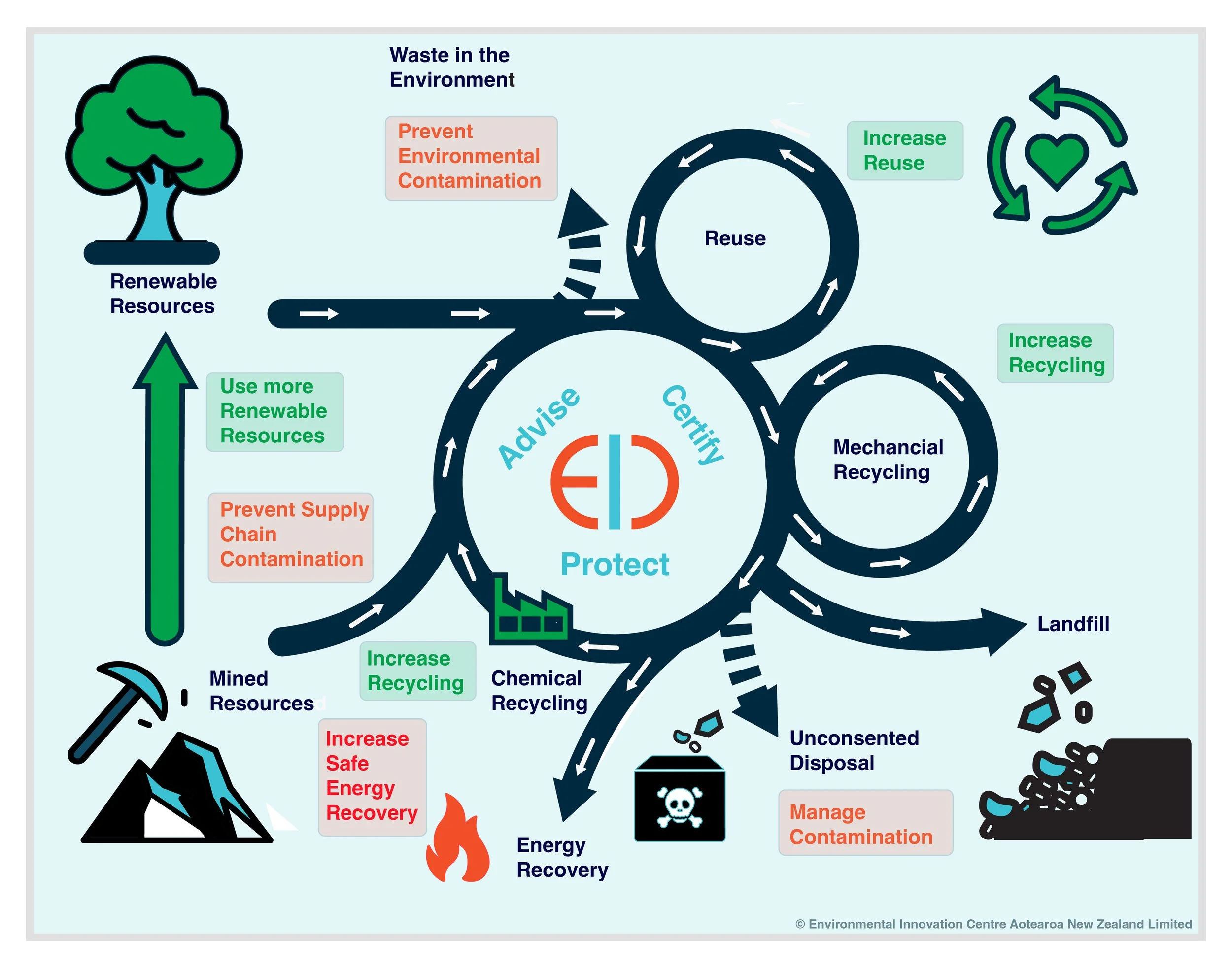
Figure 1: Multiple loops of the circular economy