

The Polystyrene Problem

Polystyrene (#6) is one of the most common types of plastic waste found on construction sites. Recent research by EIC found that approximately 8% (by weight) of the total plastic waste from an average construction site in Auckland is polystyrene (EPS).
Polystyrene - what is it?

In construction, polystyrene has a range of uses from insulation, roofing, masonry, packaging to decorative elements and landscaping. Polystyrene is commonly used in New Zealand construction in one of two forms:
Expanded Polystyrene (EPS)
EPS is usually white, easily crumbled, and has visible beads – this is often used as a packaging material and/or building insulation.
Extruded Polystyrene (XPS).
Whilst also made of polystyrene, XPS is different to expanded polystyrene – it has a smooth surface rather than the beaded surface of EPS. It is also used as insulation and is often brightly coloured (e.g. green, blue or pink).
Both forms have a rigid structure and are lightweight. In New Zealand, EPS is much more commonly recycled than XPS.

What it isn’t
Foam may be mistaken for polystyrene, which is often used in packaging. This is a ‘squishy’, soft material made of expanded polyethylene (EPE) or polyurethane (PUR), which cannot be recycled with EPS or XPS.
PIR (polyisocyanurate) boards may also be mistaken for polystyrene – another type of rigid foam panel used for roof insulation. These are rigid and usually have a foil covering. Again, these cannot be recycled with EPS or XPS.
Can polystyrene be recycled?
Despite its versatility and cost-effectiveness, polystyrene poses significant challenges when it becomes waste. It is non-biodegradable and difficult to handle, with its weightless small beads easily capable of spreading throughout the environment and into our waterways. This issue is particularly concerning as polystyrene can take hundreds of years to decompose in landfills. Additionally, petrochemical products like polystyrene are created from finite resources, and despite the use of fire retardants, they may pose a fire risk at high temperatures.
The good news is that if polystyrene is sorted and treated properly, it can be recycled - generally, it needs to be clean and free of other contaminants. However, polystyrene is harder to recycle once it is bonded with other materials such as concrete, paint or foil. For example, insulation which has been embedded in the concrete can prohibit recycling unless separated. Also, be aware of insulation made from different types of polystyrene, as these should be separated from each other before going to recyclers.

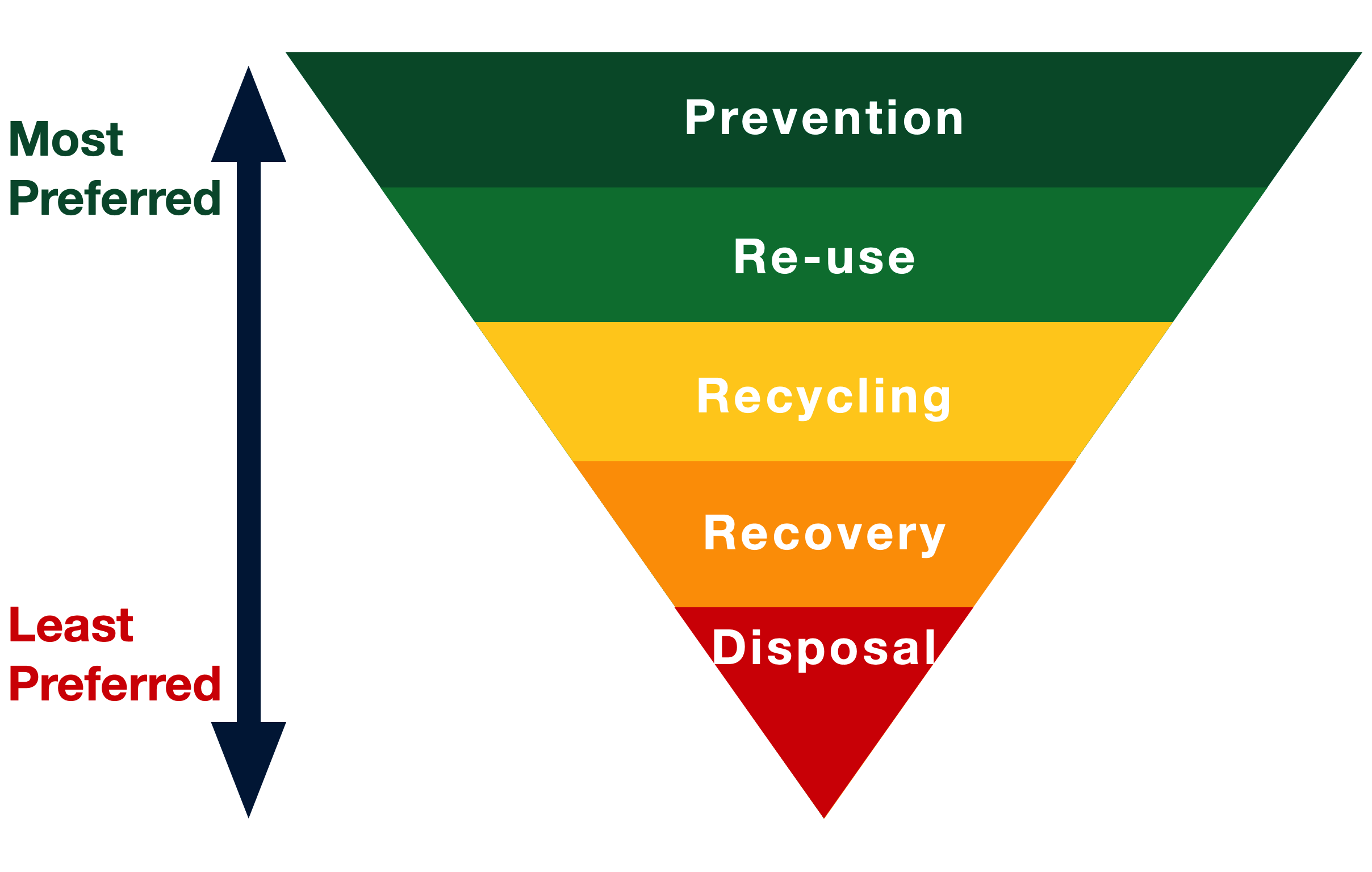
Consider these steps when managing polystyrene on site:
(1) Prevention: Design out waste by sourcing from suppliers that use alternative packaging and avoid single-use polystyrene packaging. Consider using sustainable alternatives. For polystyrene slabs used in insulation, consider getting this custom-cut by manufacturers off-site, as this prevents the spread of polystyrene on-site and prevents generating unnecessary excess polystyrene.
(2) Reuse or Recycling: Explore options for reusing or recycling polystyrene. Disposal by sending to a landfill is a last resort and least preferred option, but it is still better than having the waste blow away in the wind to end up in the landscape and the ocean.
For any EPS and XPS, recyclers will have different conditions for what will be accepted. In general, the polystyrene should be:
Relatively free of dirt and dust. Small amounts may be acceptable.
Small amounts of rainwater are acceptable.
No odours (e.g. no polystyrene from fish/food boxes, or freezer products).
No paint, concrete, tape or stickers.
Once you have identified a recycler it is important to work with them to establish the condition of the polystyrene they require for recycling. Here are some helpful steps from Plastic NZ for managing your polystyrene on-site - whether it's waiting to be installed or waste, it's essential to handle it correctly.
Store it correctly, make sure your site has a flat, accessible area to store product. Make sure its weighted down, especially in windy conditions.
Keep your site clean when cutting polystyrene and use tools that reduce dust (e.g. hot wire cutting). Be aware of dust or offcuts.
Sort and bag polystyrene offcuts - make sure polystyrene waste is separated (no general waste in the bag) kept clean and dry, and in the condition required by your recycler.
Taking responsibility for polystyrene waste is crucial, as polystyrene waste has a significant negative impact on our local freshwater and marine ecosystems, contributing to marine litter and environmental damage. You can make a substantial difference in reducing polystyrene waste by following the waste hierarchy: prevention, reduction, reuse, recycling, and carefully managing your polystyrene on-site. So let's act now to tackle "The Polystyrene Problem" for a cleaner, more sustainable future.
Have Questions?
If you have any questions for the team that you would like answered, please contact ta@environmental-innovation.nz.
Learn more about the Environmental Innovation Centre at www.environmental-innovation.nz
Where to start?
A good way to start is to use the waste hierarchy as a framework for managing polystyrene waste effectively.
